
Hello, I'm Kripa and you've tumbled into my personal rabbit hole.

Appacha

Childhood

When I was 7, my grandfather was the tallest person in the world. He towered over the rest of the family when we gathered in the evening to pray; the patriarch of the house, starting every prayer as we followed along and setting the tempo as we sang. However, when my brother started shooting up as well, I started to realize that I was mistaken. Having friends who were so tall, my neck hurt to look at their faces further drove home the realization. It never hurt to look at Appacha. His face was stern when he wasn’t doing anything but he still radiated kindness. Shy toddlers who hid behind their mothers when approached by any of us would happily swing their feet next to Appacha, and he would engage with them with equal vigour. He was a man who was universally liked, a man without a selfish bone in his body, who had never said an unkind word about anyone in all the years I had known him.
Continue reading →

Kant's True Vocation Of Reason

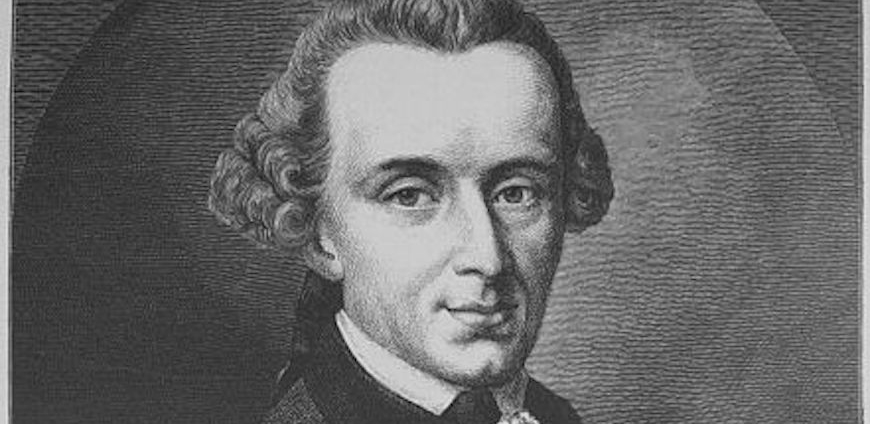
Immanuel Kant

“The true vocation of reason must be to produce a will that is good, not perhaps as a means to other purposes, but good in itself, for which reason was absolutely necessary.”

— Immanuel Kant, ‘The Good Will’ in Groundwork of the Metaphysics of Morals

Continue reading →

India as a Linguistic Area

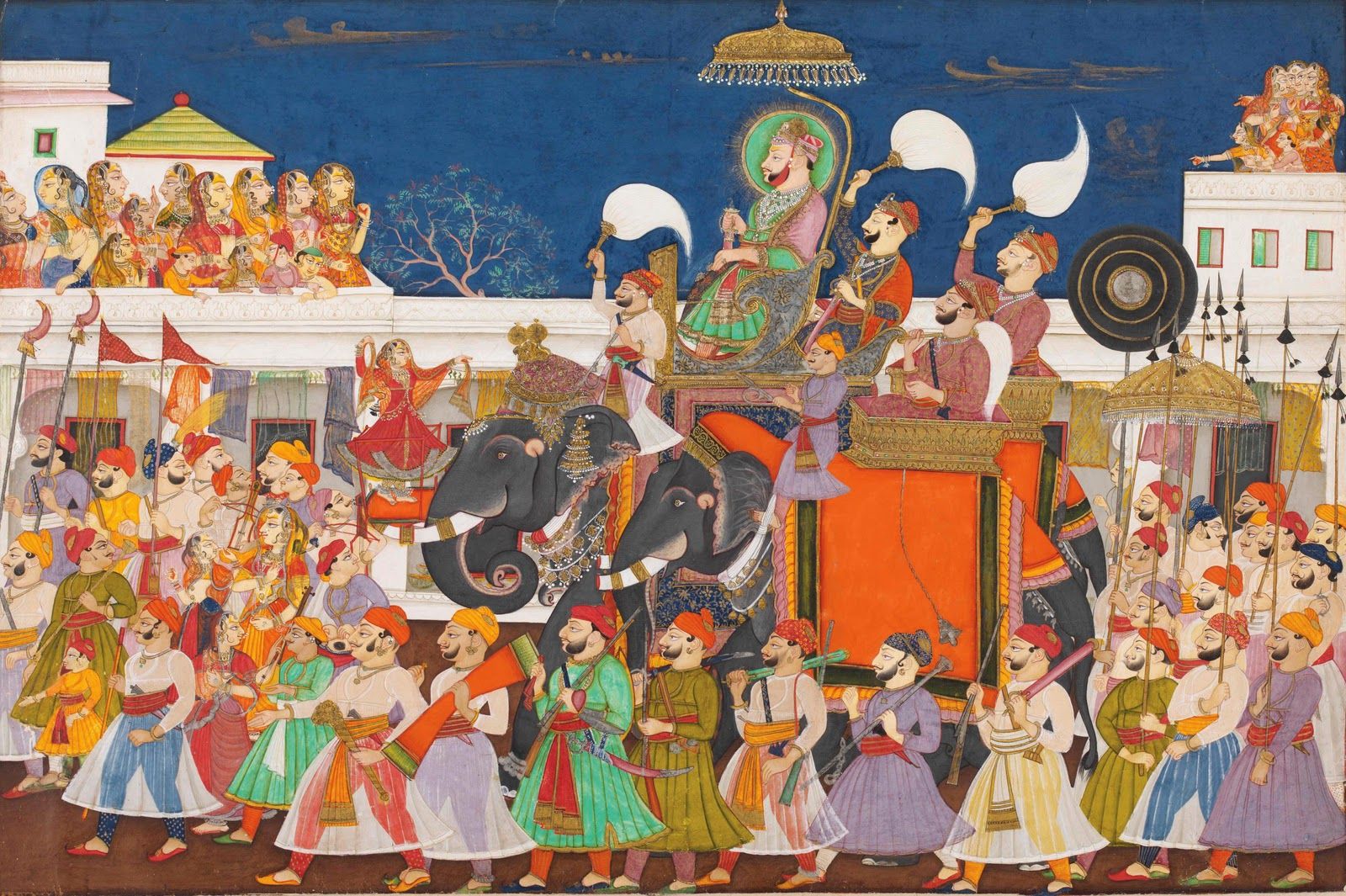
Mural

A linguistic area refers to a geographical area in which, due to borrowing and language contact, languages of a region come to share certain structural or lexical features as a result of their close proximity. The elements shared by these languages are called areal features, and are acquired rather than inherited. Languages are generally classified typologically or genetically; the genetic classification of languages points to the existence of language families, wherein languages can be grouped based on their shared inheritance from a common ancestor. However, a linguistic area is a result of the diffusion of linguistic traits over genetic boundaries so that genetically dissimilar languages or dialects can be grouped together due to common features that they have acquired as a result of contact.

Continue reading →